

Hundreds of constantly moving parts and the heat from combustion all combine to raise your engine’s temperature. While a hot engine is efficient, if your engine is allowed to get too hot it can lead to serious damage to critical engine components. That’s where your radiator comes in. It provides the perfect way to remove heat from the engine. All mechanical parts, however, can suffer damage. When you need a radiator repair in Little Rock, AR, your Chevy dealer is here to help you.
Do You Need a Radiator Repair? Visit Your Chevy Dealer in Little Rock, AR
Damaged Radiator Hoses
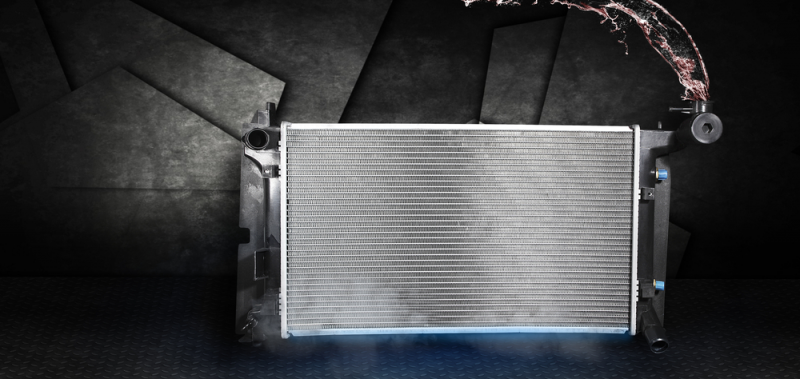
When your engine temperature gets too hot, liquid coolant is released into the system. This coolant absorbs the engine heat and transports it to the radiator. Once inside the radiator, cool airflow through the radiator grille cools the coolant. The coolant then flows back into the system to begin the cycle again. Your radiator is connected to the cooling system by two thick rubber hoses. These hoses are designed to withstand great heat and high pressure.
Over time, these hoses can weaken and become less flexible. If this happens, a hose can spring a leak. A hole in one of the hoses would result in hot, highly-pressurized coolant spraying into your engine. The hole will reduce the pressure in the cooling system, which will reduce the speed of the coolant. If the coolant isn’t constantly moving at high speed, your engine temperature will rise. The loss of coolant will increase your engine temperature even more.
Damaged Radiator Tubes
When hot coolant enters the radiator, it’s diverted into a series of thin horizontal tubes that look like fins. Air flows in through the radiator grille and it blows across the fins. This continuous air movement cools the liquid in the tubes. Once the coolant has been cooled, it flows back to the coolant reservoir.
The fins are made from aluminum, which allows the airflow to cool the tubes fairly quickly. Unfortunately, the fins are also delicate and can be easily damaged by debris blowing in through the grille. If enough of the tubes are damaged, it will block the flow of coolant into the radiator. If the coolant can’t enter the radiator, the hot coolant will simply get hotter.
Loose Hose Clamps
The radiator hoses are attached to the radiator by strong, tight-fitting clamps. These clamps are necessary as the hoses are, as we’ve seen, constantly carrying hot coolant at high speed. In time, these clamps can loosen due to the movement of the hoses, and the hoses will also slightly shrink.
If the clamps loosen, hot coolant can escape the cooling system. This loss of coolant will cause your engine temperature to rise. We will replace the clamps, and we can also replace the hoses if they’re damaged.
A damaged radiator can easily cause your car to overheat. If the temperature rises, call us right away at Crain Chevrolet. Our expert technicians will fix the problem for you.
Connect with us


